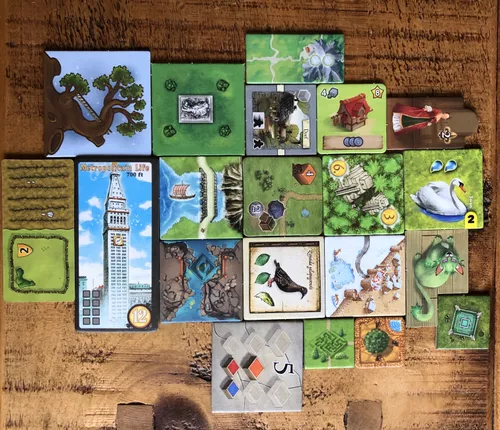
When it comes to indoor entertainment and Freecreditmalaysia99 socializing, few activities can compete with the timeless appeal of games. Whether you’re gathering with friends, spending quality time with family, or looking to unwind after a long day, games offer a fun and engaging way to connect with others. But with so many different types of games available, it can be confusing to know what sets each category apart.
In this article, we’ll break down the differences between board games, card games, and tile games, explore the unique features of each, and discuss the benefits they offer. While all three categories can provide hours of entertainment, each one brings a distinct flavor to the gaming experience.
What Are Board Games?
Board games are perhaps the most widely recognized and diverse category of games. Typically, they involve a physical game board, and players use pieces, tokens, or markers to navigate the game and achieve specific objectives. Board games can range from simple games with easy-to-understand rules to highly strategic ones that require deep planning and critical thinking.
Key Characteristics of Board Games:
Game Board: A physical or digital surface where the game takes place, usually featuring a grid, path, or area for players to move along.
Game Pieces: Tokens, figurines, or markers that represent each player’s progress on the board.
Objective: The primary goal of most board games is to achieve a specific outcome, such as reaching a designated point, accumulating resources, or outlasting other players.
Popular Examples:
Monopoly: A classic real-estate game where players buy and trade properties, aiming to bankrupt their opponents.
Scrabble: A word-based game where players form words from letter tiles and score points based on the letter values.
Catan: A strategy game involving resource management, where players compete to build settlements on the fictional island of Catan.
Why It’s Fun:
Board games are often easy to learn but can have enough depth to keep players engaged for long periods.
They promote interaction, problem-solving, and strategy, making them great for socializing.
The tactile experience of moving pieces or drawing cards adds to the sensory enjoyment of the game.
What Are Card Games?
Card games are a broad category that involves using cards as the primary tool for gameplay. These games can be played with standard decks of cards or specialized decks created for specific games. Unlike board games, card games typically don’t require a game board and are often more portable and flexible. They can be competitive, cooperative, or even solitaire-based, offering a wide range of experiences for players.
Key Characteristics of Card Games:
Deck of Cards: A standard deck (52 cards) or a custom deck used to play the game. Cards are drawn, shuffled, and played based on the rules of the game.
Gameplay Mechanics: Card games typically involve drawing and playing cards to perform actions, score points, or compete against other players.
Objective: The goal can vary widely depending on the game. It might be to achieve the highest score, collect sets of cards, or outlast your opponents.
Popular Examples:
Poker: A gambling game involving betting and strategic card play to form the best hand.
Uno: A fun family card game where players aim to get rid of all their cards by matching them with the card in the discard pile based on color or number.
Bridge: A trick-taking game that requires strategy and communication, often played in teams.
Why It’s Fun:
Card games are often quick to set up and easy to play, making them ideal for casual gaming.
They emphasize strategic thinking, bluffing, and adaptability, especially in games like Poker or Bridge.
The random nature of card draws means that every game can be different, keeping the experience fresh.
What Are Tile Games?
Tile games use tiles as their primary playing components instead of cards or game pieces. These tiles can have images, numbers, or symbols on them, and players usually draw or place them to complete specific patterns or achieve certain goals. Tile-based games often combine elements of strategy, luck, and pattern recognition, making them a unique hybrid of board and card games.
Key Characteristics of Tile Games:
Tiles: Small, flat pieces (often rectangular or square) that are drawn or placed on the board, sometimes stacked or arranged to create specific patterns.
Gameplay Mechanics: Players take turns drawing tiles from a shared pool or selecting tiles to place on the board. Many tile games are turn-based and involve strategic placement of tiles to score points.
Objective: Like board games and card games, the objective varies but usually involves achieving a specific pattern or reaching a certain score.
Popular Examples:
Mahjong: A traditional Chinese game where players match tiles to form specific combinations, aiming to complete a full hand.
Rummikub: A tile-based game where players create sets and runs from numbered tiles, aiming to be the first to empty their rack.
Dominoes: A classic tile game where players match numbered tiles to form chains on the playing surface.
Why It’s Fun:
Tile games often require a combination of luck and strategy, making them exciting for players of all skill levels.
The physical act of placing tiles on the table or board adds a tactile element to the experience.
Many tile games have simple rules but can still involve deep strategy, making them accessible yet challenging.Which One Should You Choose?
When it comes to choosing between board, card, or tile games, the decision largely depends on the type of experience you’re seeking. Here’s a quick guide to help you pick the right game for different situations:
Choose Board Games if you enjoy rich, strategic gameplay that involves managing resources, moving pieces, and thinking ahead. These games are great for groups and families and often encourage teamwork and communication.
Choose Card Games if you want quick, portable games that involve bluffing, strategy, and the element of chance. Card games are great for smaller groups or casual play, and they often pack a lot of excitement in a short amount of time.
Choose Tile Games if you’re looking for something that blends elements of both strategy and luck, and if you like the tactile nature of arranging pieces. Tile games like Mahjong or Rummikub offer a unique blend of pattern recognition and planning.
Conclusion
Board games, card games, and tile games each offer their own unique set of benefits, making them all worthwhile choices for stress relief, socializing, and fun. Whether you’re looking for an immersive game with deep strategy (board games), a fast-paced, interactive experience (card games), or a combination of luck and skill (tile games), there’s something for everyone. Understanding the differences between these three types of games allows you to choose the right one based on your mood, the number of players, and the kind of experience you’re after.
 Site Title